



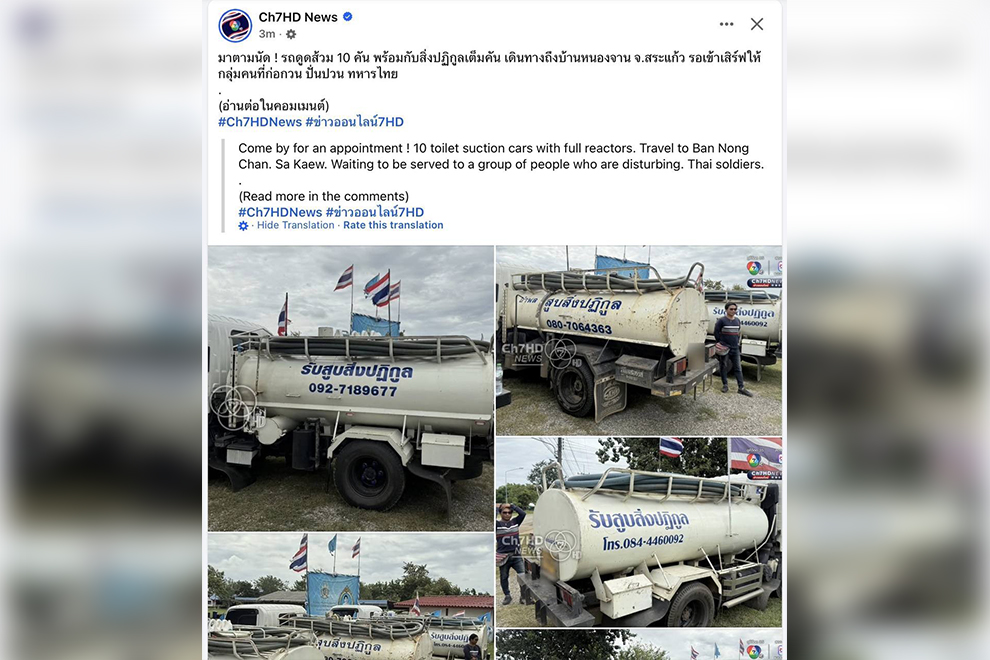
Recent remarks by Thailand’s acting Prime Minister Phumtham Wechayachai on the shocking case of a Thai social media influencer who threatened to spray faeces at Cambodian protesters are deeply troubling.
Instead of issuing a strong and immediate condemnation, Phumtham downplayed the incident as “an individual act” while cautioning that it could invite attention from the International Criminal Court.
This is not a trivial matter. The idea of weaponising human waste against protesters is an inhumane, degrading and racist act designed to humiliate Cambodians. Such conduct violates the fundamental principles of human dignity enshrined in international law. Under the Rome Statute, the founding treaty of the International Criminal Court, acts that intentionally humiliate, degrade or inflict suffering on civilians can fall under crimes against humanity when committed systematically or tolerated by state authorities.
For a government to fail in condemning or preventing such an act risks being seen as tacitly endorsing it.
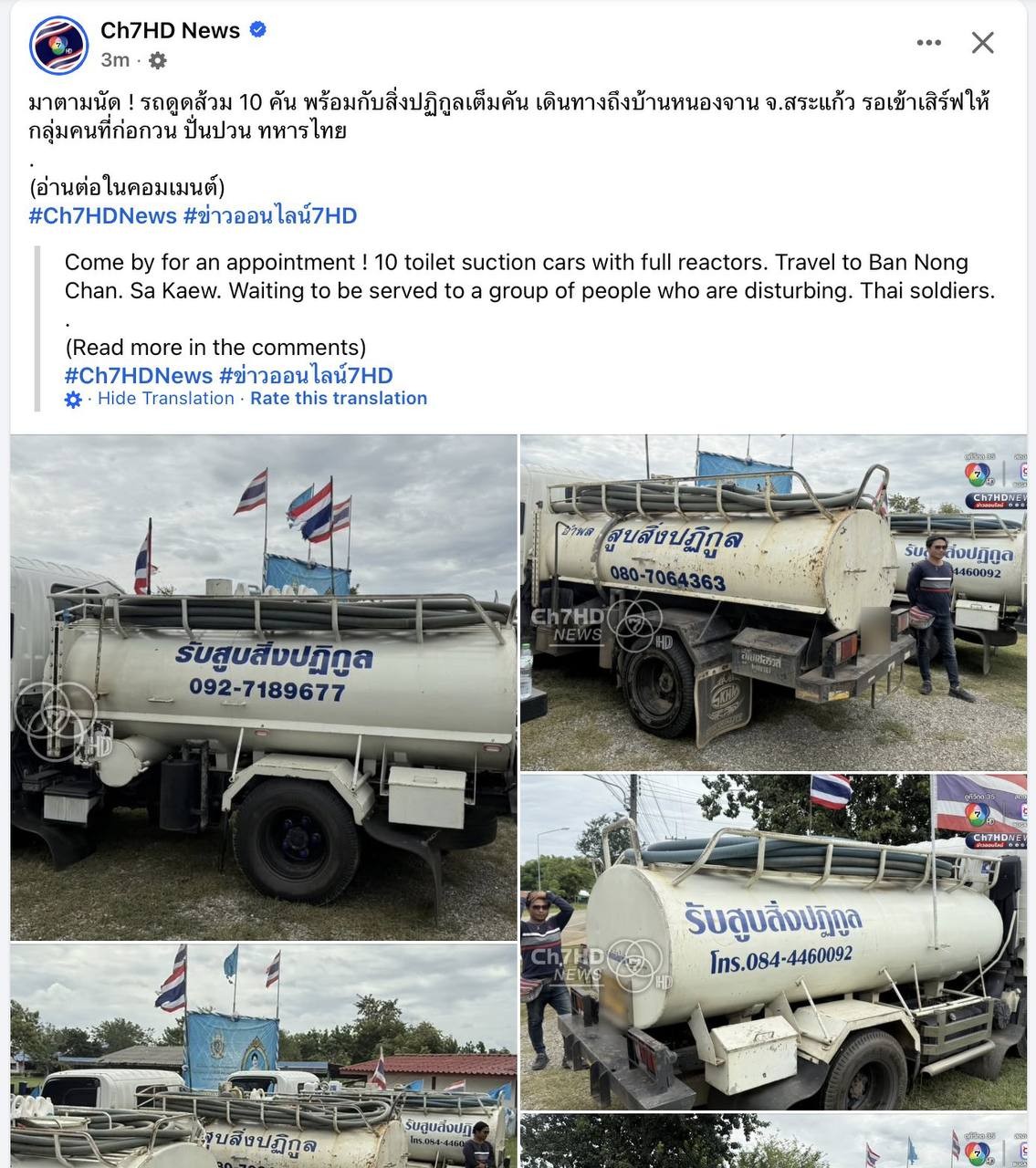
The acting prime minister cannot have it both ways. On one hand, he insists the act represents only a private citizen. On the other, he warns it might draw the attention of the ICC. But if the Thai government does not take legal or political measures against this individual, silence will be read internationally as complicity.
In diplomacy, inaction speaks as loudly as action. Failure to act will mean Thailand itself is condoning an inhumane attack that strikes at the dignity of an entire people. A responsible government must do more than distance itself rhetorically. It must hold accountable those who incite violence and humiliation against neighbours. Anything less erodes the fragile trust that underpins Cambodia–Thailand relations.
Equally offensive was Phumtham’s comment that he did not want to be accused of being “a Thai person with a Khmer heart”.
Such a remark is not innocent — it reflects the persistent prejudice that treating Cambodians with fairness and empathy somehow betrays Thai identity. Cambodia rejects this mindset outright. To have a “Khmer heart” is to have a heart of dignity, compassion and resilience. To mock this phrase as an insult reveals more about Thai nationalism than about Cambodia.
Phumtham’s admission that such acts could bring Thailand under ICC scrutiny is revealing. For years, Thailand has rejected international accountability mechanisms when it comes to disputes with Cambodia. Yet here, its own acting prime minister concedes that the world could interpret hate-driven acts by Thai citizens as matters of international concern. Thailand cannot ignore international law when convenient and fear it when embarrassed.
Cambodia does not seek escalation. Our people want peace, dignity and cooperation. But we cannot and will not remain silent when Cambodians are threatened with degrading and inhumane treatment. If Thailand wishes to be respected as a civilised nation, it must reject hatred and ensure its citizens are held accountable for actions that demean and endanger others.
If the Thai government fails to take immediate measures against this incident, it will mean one thing: Thailand supports this action. For the sake of peace, respect and the future of both nations, dignity must triumph over hate, and humanity over humiliation.
Roth Santepheap is a geopolitical analyst based in Phnom Penh. The views and opinions expressed are his own.
