Thailand’s persistent and unlawful claims over Cambodian territory go far beyond a simple border dispute — they reflect a deeper political dysfunction that fuels internal instability, strains relations with neighbouring countries and endangers regional peace. By rejecting international norms and resorting to force and propaganda to justify its territorial ambitions, Thailand has entrenched a cycle of confrontation that weakens its own democratic institutions and disrupts the broader stability of Southeast Asia.
Despite clear international principles affirming Cambodia’s sovereignty over its recognised territory, Thailand continues to assert unlawful claims through the use of unilateral maps and military pressure. These actions blatantly disregard established norms and the peaceful mechanisms available under international law. This is not merely a border disagreement — it is a reckless and unjustifiable act driven by a neo-colonial mindset and an enduring ambition to dominate a smaller neighbour.
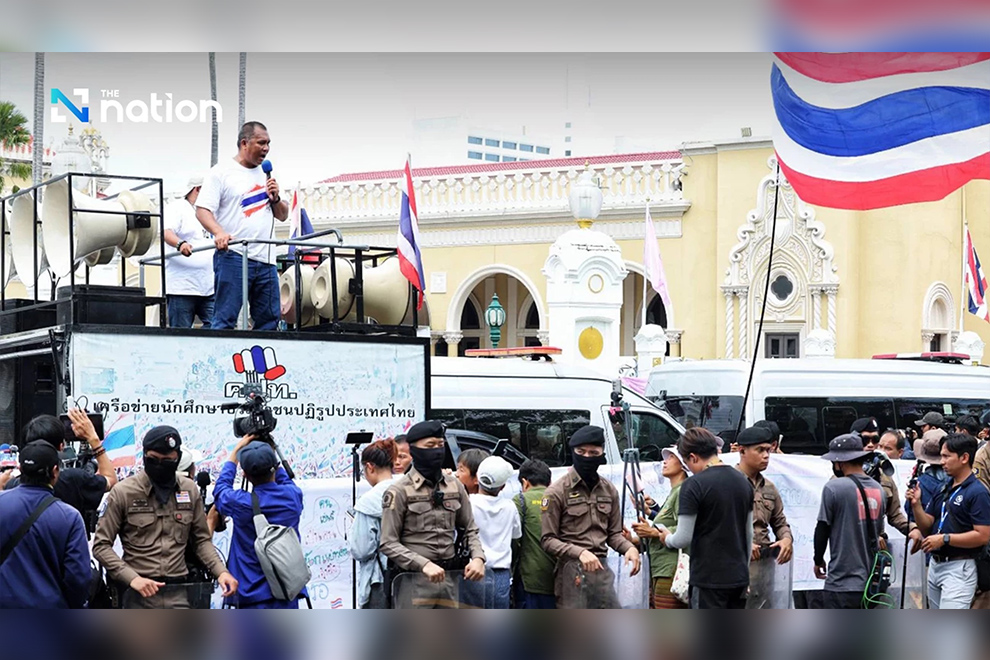
At the heart of Thailand’s aggression lies political desperation. Its ruling elites — whether military regimes or civilian governments — have repeatedly used border disputes with Cambodia to distract from domestic crises. When faced with corruption scandals, mass protests or threats of a coup, Thai leaders stoke nationalist fervour by accusing Cambodia of encroachment. In doing so, they manufacture a foreign threat to mask their own failures, sacrificing truth and peace for political gain.
This manufactured nationalism has become a strategic weapon in the ongoing rivalry among Thailand’s major political factions. Competing forces have all, at various times, invoked the border dispute with Cambodia to rally public opinion and outmanoeuvre rivals. Nationalist rhetoric is deployed not out of genuine concern for sovereignty, but as a calculated tool to discredit opponents and justify aggressive postures.
For the military and conservative establishment in particular, heightening external tensions legitimises their grip on power and delays demands for reform. This tactic was on full display during the May 28 incident, when Thai troops unlawfully entered Cambodian territory, escalating tensions despite Phnom Penh’s measured response.
In response to repeated incursions and Bangkok’s refusal to accept diplomatic solutions, Cambodia has acted decisively but peacefully. It recently announced its intention to bring four disputed border areas before the International Court of Justice (ICJ), reaffirming its unwavering commitment to resolving conflicts through legal, impartial and rules-based means. Cambodia believes international law is the only viable path to long-lasting peace — and refuses to be dragged into Thailand’s political games.
Cambodia’s position is clear: it seeks peaceful borders, mutual respect and development along the frontier. It has consistently respected international rulings, proposed peaceful mechanisms and refused to be provoked by hostile acts. In stark contrast to Thailand’s volatile internal politics, Cambodia has acted with maturity and restraint.
Yet Thailand’s actions are having broader consequences. These illegal claims and provocations are straining regional ties and eroding trust within ASEAN. If left unchecked, they risk undermining ASEAN’s credibility and the region’s commitment to peaceful coexistence. Border tensions may begin with Cambodia, but they carry ripple effects that jeopardise the peace and stability of the entire region.
Thailand must change course. It must abandon its illegal claims, end the use of Cambodia as a political scapegoat and uphold its obligations under international law. Real strength lies not in seizing land, but in building peace and trust with neighbours.
If Thailand continues down this path, it will remain trapped in a self-inflicted cycle of instability — dragging its own people, its neighbours and the broader region into unnecessary and avoidable conflict. Cambodia will continue to stand firmly for peace — but peace cannot be sustained alone. It requires principled leadership, mutual respect and the courage to resolve disputes through law, not force.
Khemrak Rath is a Phnom Penh-based geopolitical analysis. The views and opinions expressed are his own.