



As 2026 begins, the crisis in the occupied Palestinian territories has entered a chilling new chapter, defined by a military disparity so absolute it has rendered the concept of “conflict” obsolete. What we are witnessing today is not a battle of equals, but the systematic dismantling of a people’s future under the weight of overwhelming force.
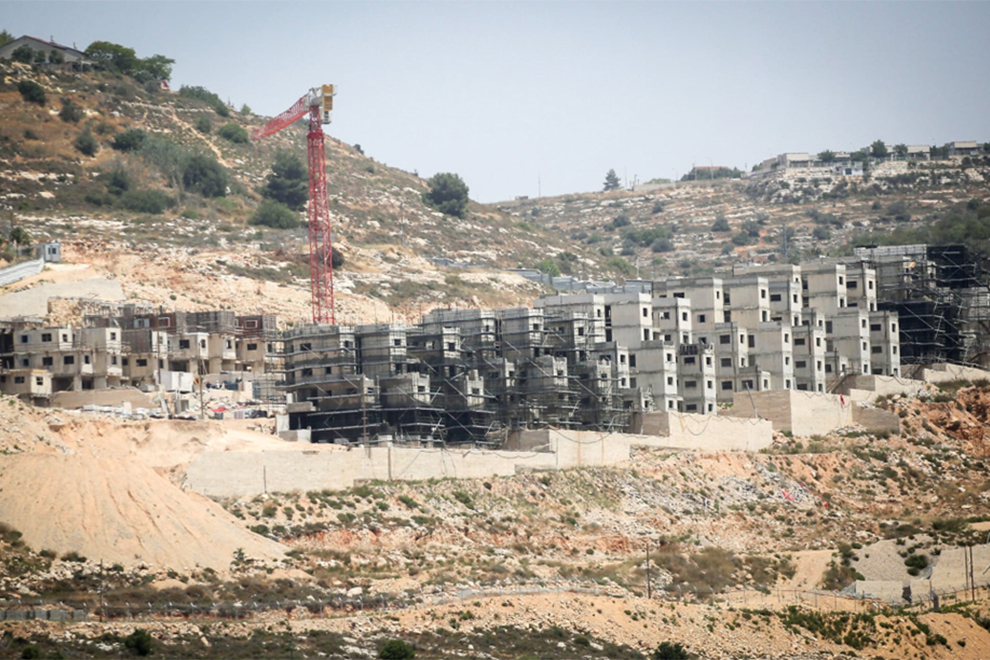
The statistics tell a story of total asymmetry. While global headlines often focus on fragile ceasefires, the reality on the ground is a “silent war” of attrition. In the West Bank, large-scale military incursions and the widespread use of bulldozers have left entire communities in ruins.
When one side possesses state-of-the-art weaponry and the other lacks even the basic means of retaliation, “fate” ceases to be a product of negotiation. Instead, it becomes a unilateral decree issued by the stronger power.
This power vacuum is further deepened by a paralysed international community. Despite the 2026 ban on dozens of essential humanitarian organisations – including Doctors Without Borders and Oxfam – global response has remained largely rhetorical. This obstruction of aid is more than a logistical hurdle; it is a clear signal that international law has failed to act as a shield for the vulnerable.
For Palestinians, the message from the world stage is devastatingly clear: when military might is this lopsided and international institutions remain toothless, justice is a luxury they cannot afford. In this vacuum of accountability, the enemy does not just win battles, they determine the very survival of the vanquished.
If the international community continues its retreat into silence, it effectively endorses a world order where might is the only right, and where the destiny of the weak is written by the hand of the strong.
Vichana Sar is a researcher based at the Royal Academy of Cambodia. The views and opinions expressed are his own.
