



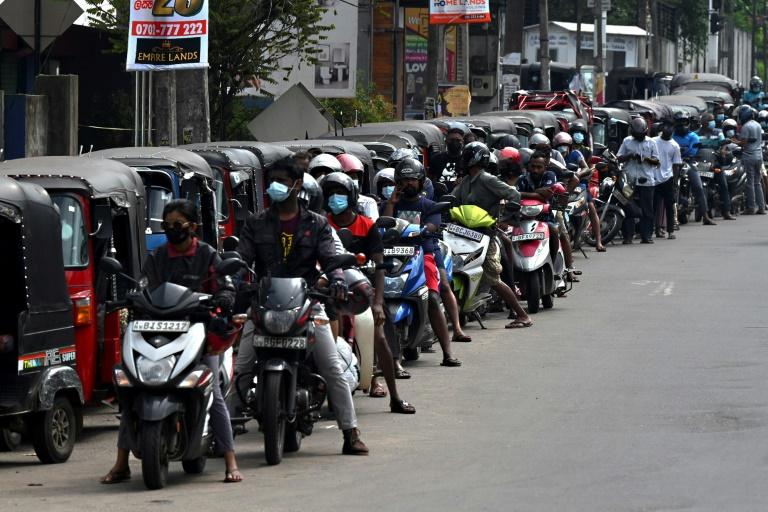
Sri Lanka announced a default on its $51 billion foreign debt on April 12 as the island nation grapples with its worst economic crisis in memory and escalating protests demanding the government’s resignation.
Acute food and fuel shortages, as well as long daily electricity blackouts, have brought widespread suffering to the country’s 22 million people in the most painful downturn since independence in 1948.
The government has struggled to service foreign loans and April 12’s decision comes ahead of negotiations for an International Monetary Fund (IMF) bailout aimed at preventing a more catastrophic hard default that would see Sri Lanka completely repudiate its debts.
“We have lost the ability to repay foreign debt,” Central Bank of Sri Lanka governor Nandalal Weerasinghe told reporters in Colombo. “This is a pre-emptive negotiated default. We have announced [it] to the creditors.”
Officials say the move will free up foreign currency to finance desperately needed food, fuel and medicine imports after months of scarce supplies.
Just under half of Sri Lanka’s debt is market borrowings through international sovereign bonds. China is Sri Lanka’s largest bilateral lender and owns about 10 per cent of the island’s foreign debt, followed by Japan and India.
