



The Ministry of Education, Youth and Sport plans to expand the implementation of the “Career Guidance and Counselling Programme” to 10 additional new target locations in Siem Reap province during 2025–2026. The aim is to better support students in developing personal capacity and setting future career goals.
This expansion follows the implementation of the programme in 199 secondary education institutions nationwide, with support from the government and development partners, according to an October 3 statement from the ministry.
It noted that the existing 199 institutions have 568 trained and certified school counsellors, including 234 women. Among these, 26 schools and 52 counsellors have received support from Plan International Cambodia.
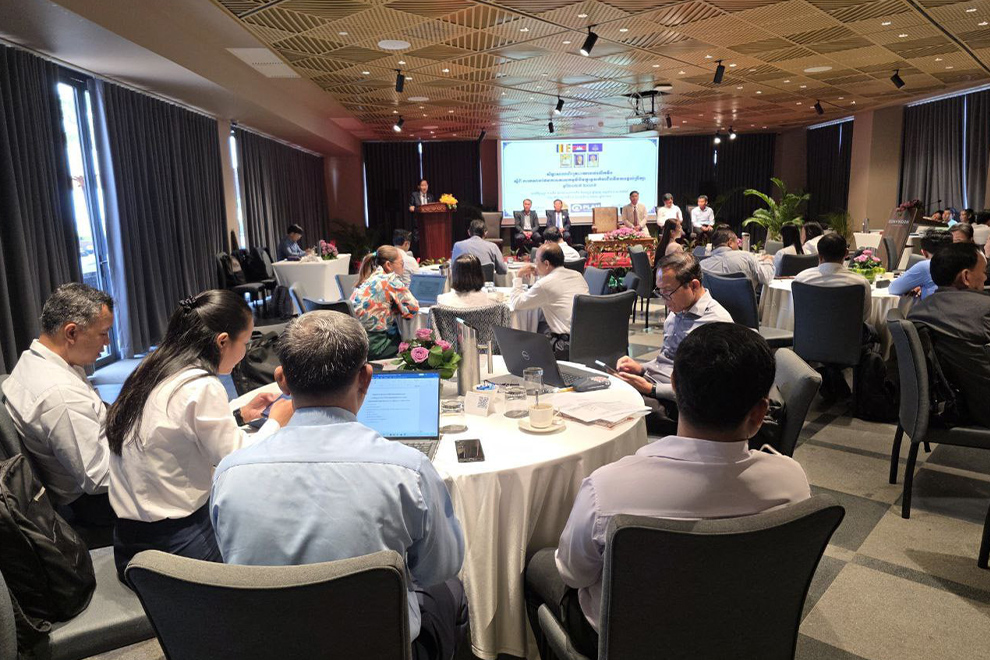
On the same day, the ministry’s Department of Career Orientation, with support from Plan International Cambodia, organised the first consultative workshop on “Developing the Master Plan for the Career Guidance and Counselling Programme 2025–2035”.
The ministry explained that the workshop aimed to collect input from relevant units inside and outside the ministry, regarding the implementation mechanisms of the career guidance and counselling programme, to build a master plan for integrating it into Cambodia’s education system. The goal is to ensure consistency across different educational levels and to help students better develop abilities and set clear career directions.
The opening ceremony of the workshop was presided over by Im Koch, ministry secretary of state, and Yi Kimthan, acting country director of Plan.
Koch emphasised the importance of establishing a master plan for the programme’s implementation.
“Career guidance and counselling is part of our intervention in the education system, contributing support for students in developing knowledge, career preparation, personal development and social relationships, helping them be better prepared for future career paths,” he said.
He stressed the importance of introducing career awareness from preschool through high school to help students make informed decisions about their futures.
He observed that many students, especially at lower- and upper-secondary levels, lack clear academic goals. Often, they only aim to become teachers, doctors or police officers because they have not received sufficient information about other possible careers.
“We must work together to expand their understanding, guide them toward diverse career pathways, and ensure every child — regardless of gender — receives the support needed to pursue their ambitions. Special attention is necessary to encourage girls to explore the STEM fields, where social norms and limited support continue to create barriers,” he said.
