



The 2025–2026 open fishing season began today, October 1, for most of the Kingdom, with the Fisheries Administration (FiA) issuing a strict warning that the use of illegal fishing gear will not be tolerated.
The FiA, under the Ministry of Agriculture, Forestry, and Fisheries issued a public notice informing citizens and fishers about the start of the fishing season, as defined for each freshwater fisheries management zone.
In Kampong Chhnang, Pursat, Battambang, Pailin, Banteay Meanchey, Siem Reap, Oddar Meanchey, Preah Vihear, Ratanakkiri, Mondulkiri, Kratie, Tbong Khmum, Kampong Cham and Kampong Thom, as well as parts of Phnom Penh and Kandal which are north of the Chaktomuk confluence, the current season will run until May 31, 2026.
In Stung Treng, the season which began today will end on April 30 next year.
Meanwhile, fishermen in Prey Veng, Svay Rieng, Takeo and Kampong Speu, as well as parts of Phnom Penh and Kandal which are south of the Chaktomuk confluence, will have to wait until June 30 to begin hauling in catches, with the consolation that their season will not end until June 30, 2026.
“During the open season, all fishers must use only equipment which permitted for use in freshwater fisheries management areas, in accordance with the Fisheries Law and applicable legal standards,” the FiA warned.
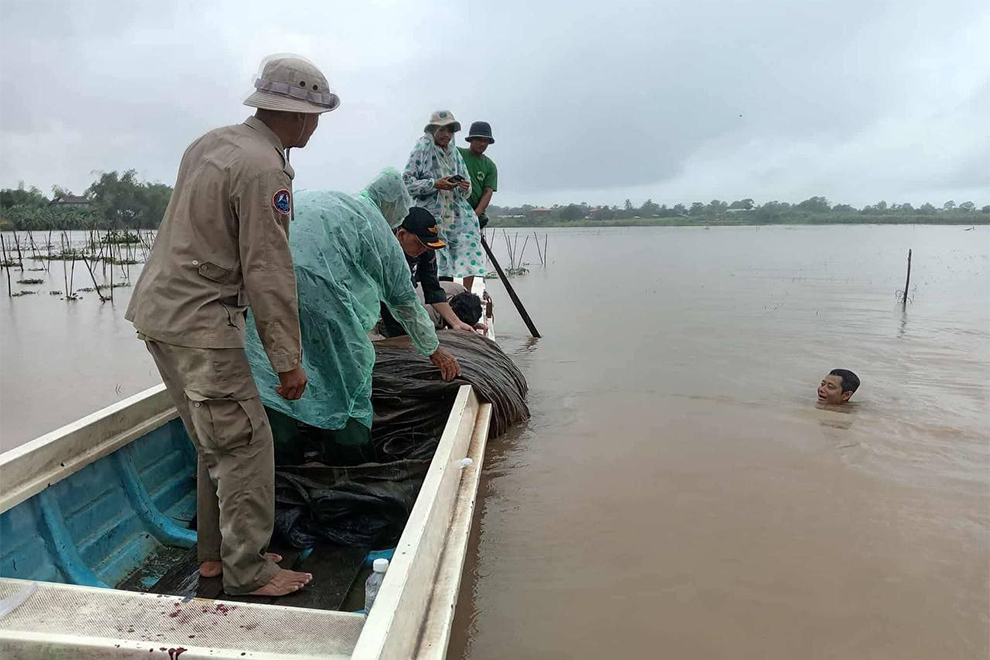
A day ahead of today’s opening, an FiA delegation led by Poum Sotha, government delegate and head of the FiA, met with the officials who are responsible for combating fisheries crimes at the Chroy Sdey fisheries conservation area and the Kampong Phluk fisheries conservation areas, located in Kampong Phluk commune, Prasat Bakong district, piem Reap Province.
On behalf of agriculture minister Dith Tina, Sotha delivered donations, to the officials stationed there.
They included financial support, 1,600 litres of diesel, 8 sacks of rice, 35 kilogrammes of pork and 140 kilogrammes of mixed vegetables.
The working group also met with the Mouth Khla fishing community in Anlong Samnor commune, Chikreng district, to discuss developing alternative livelihoods, such as vegetable farming on the water.
