



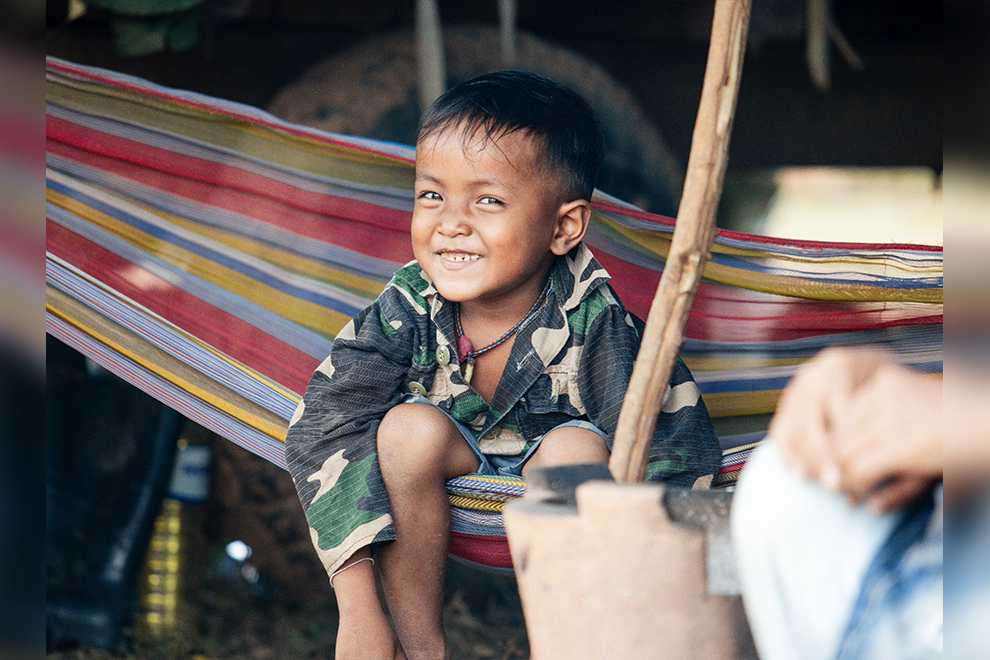
Despite the July 28 ceasefire that ended five days of conflict between Cambodia and Thailand, thousands of displaced children and their families face urgent threats to their health, safety and education.
UNICEF is scaling up its humanitarian response to deliver critical support.
A July 31 statement explained that intense conflict — including artillery fire and airstrikes — has displaced over 134,700 people, with more than 100,000 Cambodian returnees from Thailand also now living in overcrowded conditions.
“Displaced families mostly children live in makeshift shelters, facing urgent needs for food, clean water, health care and access to education. They also face increased risks of violence, abuse and exploitation. These children have already lost so much, but their future must not be lost,” said UNICEF representative Will Parks, who travelled to Preah Vihear province with UNICEF teams to engage with local authorities and assess urgent needs.
“UNICEF is working closely with the government to scale up the humanitarian response and ensure that every child is protected through shelter, clean water, immunisation, learning opportunities and psychosocial support,” he added.
The organisation explained that families are sheltering in schools, pagodas and makeshift camps, often with only plastic sheets or salvaged materials for protection. In addition, an estimated 600 schools have closed, leaving more than 150,000 students without access to learning. To date, 13 health facilities are non-operational.
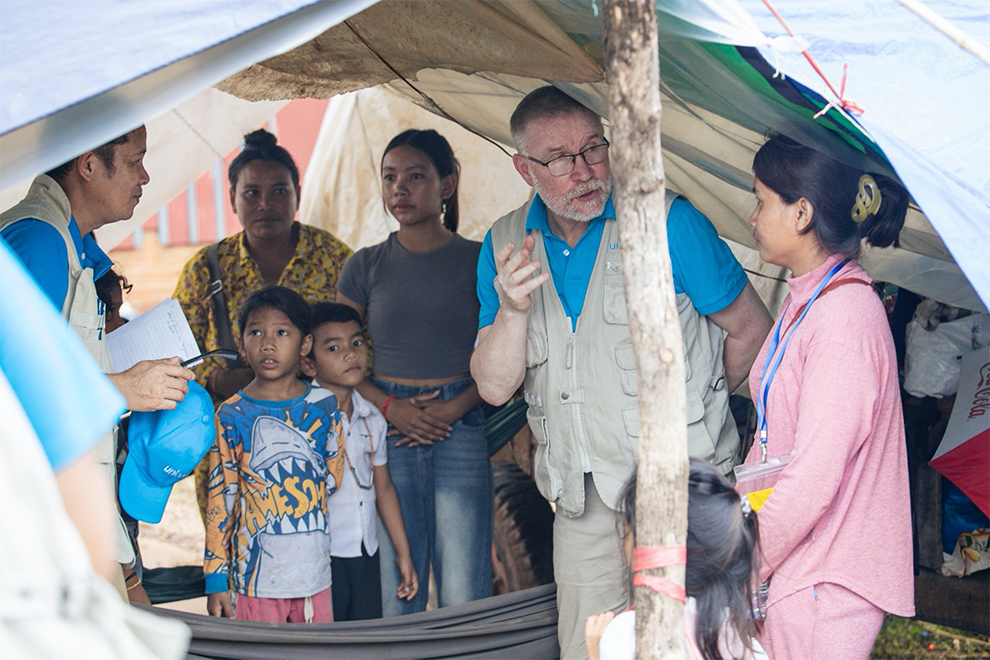
UNICEF warned that reports indicate rising psychosocial distress among children, particularly in Preah Vihear and Siem Reap provinces, while reports of gender-based violence have emerged.
Working with national and provincial authorities, the organisation is delivering urgent life-saving supplies and essential technical assistance.
The statement outlined the support UNICEF is providing.
- Essential supplies including soap, water containers and filters, sanitary pads, jerry cans and other hygiene items have been distributed to over 7,500 people, with additional supplies for 25,000 more currently en route.
- Latrines are being coordinated and installed in priority locations, through UNICEF’s support with government and WASH NGOs.
- Life-saving vaccines for women and children are being delivered, while treatment for severe acute malnutrition continues at 167 health centres.
- 300 kits of Early Childhood Education supplies and 300 temporary learning supplies are being delivered to ensure approximately 11,000 young children in Preah Vihear and Odar Meanchey evacuation centres continue their education despite the crisis.
- Government and non-governmental social workers are providing mental health and psychosocial support services on an individual basis, with child protection concerns and needs currently being assessed.
- Despite the closures of health centres in targeted areas, health services continue across the affected provinces through UNICEF’s technical and financial support to government partners, ensuring displaced populations maintain access to essential care.
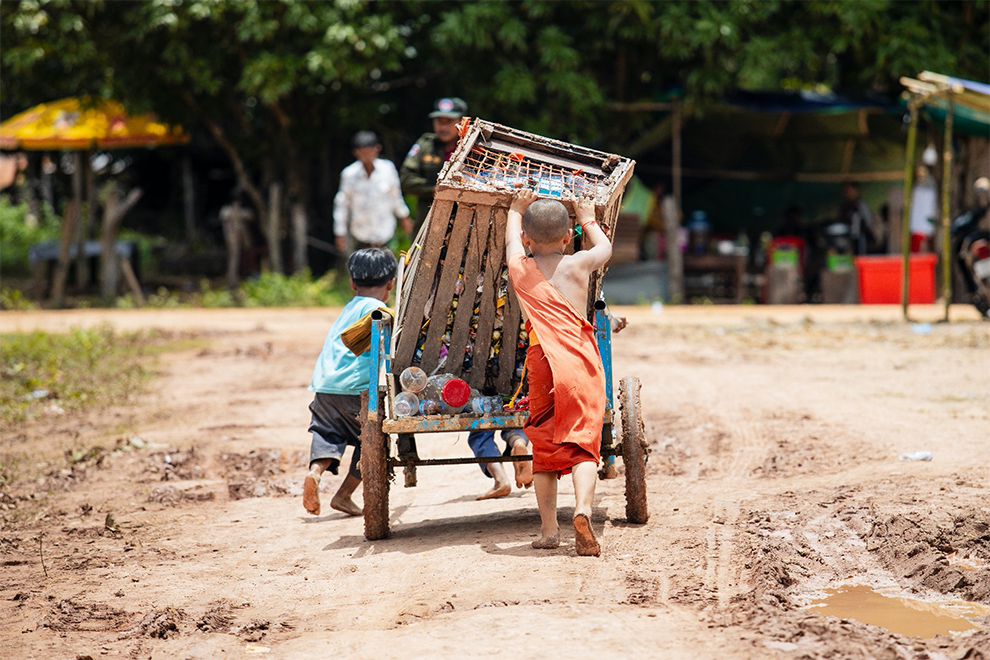
UNICEF announced that it urgently requires $800,000 to meet the immediate humanitarian needs of displaced families in the coming month, and an additional $7.67 million to implement its development programmes and increase access to essential services for more than 1.5 million children across the country.
“Displaced children and families need more support — right now. No child should be denied safety, health, or the chance to thrive”, said Parks.
“With quick and flexible support, we can protect children from sickness, lasting harm, and help them recover, keep learning and grow up safe,” he added.
