



Once again, Thailand plays the victim while conveniently erasing centuries of cultural appropriation. The latest wave of online outrage in Thailand over Cambodia’s registration of 22 classical literary works linked to traditional dance is not only misplaced — it reeks of historical hypocrisy. The real story is not Cambodia stealing Thai heritage, but rather Thailand benefiting for centuries from stolen Khmer traditions, texts, and artistry.
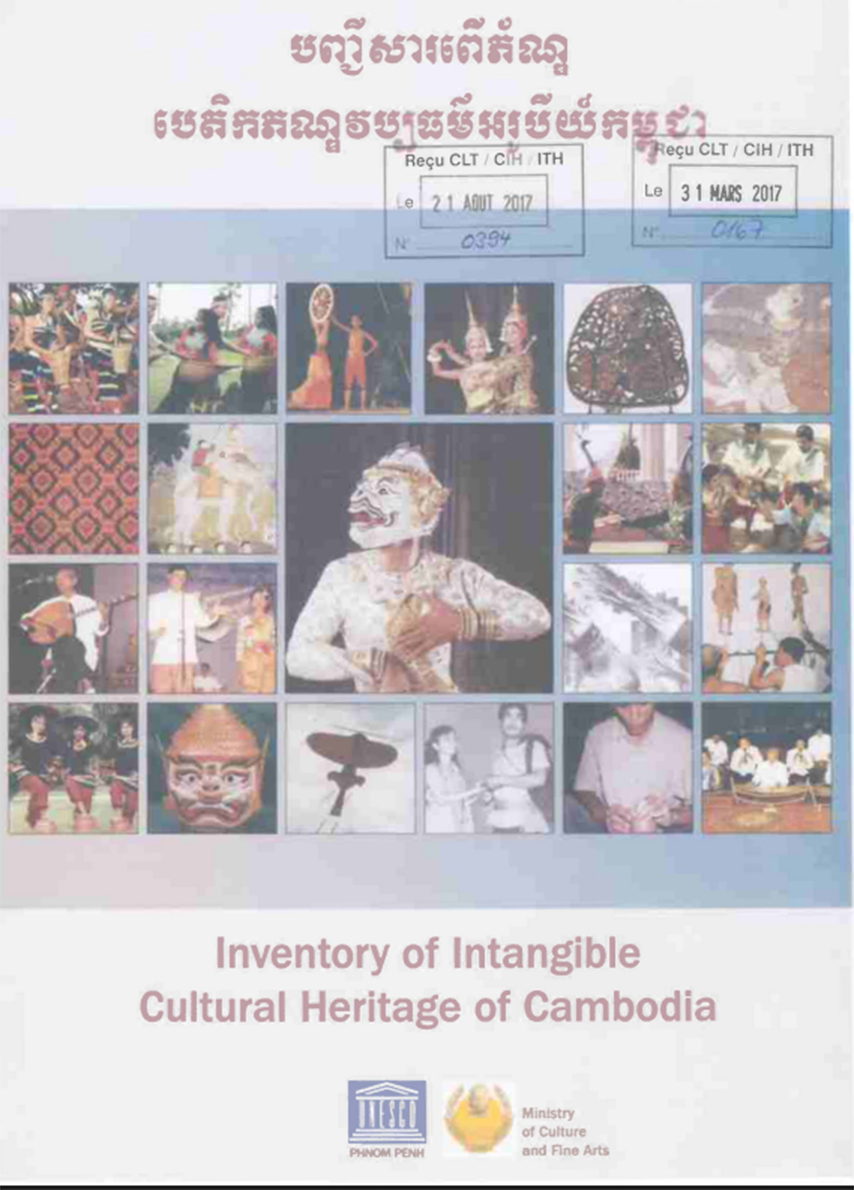
Cambodia is not claiming Thai literature. Cambodia is rightfully registering works as performed and preserved within the framework of its Royal Ballet and theatrical heritage — a living tradition disrupted by genocide but revived between 1979 and 2002. These performances are not passive copies; they are uniquely Cambodian interpretations rooted in centuries-old practices predating Thai royal adaptations from the origin of Khmer Culture and Civilization.
Take a moment to remember: Much of what Thailand calls “Thai” today — including architecture, dance forms and literary epics — originated from or was heavily influenced by the ancient Khmer Empire, which spanned much of what is now Thailand. When Ayutthaya rose, it did so by absorbing Khmer scholars, dancers and even royal customs. When Angkor was looted and weakened, it wasn’t just territory that was taken — it was culture.
The so-called “Thai” Ramakien? Adapted directly from the Indian Ramayana, yes — but its transmission to Ayutthaya came through Khmer court traditions. And now Thailand cries foul when Cambodia revives Ramayana scenes in Lakhon Khol or royal ballet performances? Absurd.
Let’s look deeper. Literary works like “Inao” or “Unnarut”, now claimed as Thai originals, were never exclusive to Siam. They were part of a broader literary-cultural exchange in Southeast Asia. Cambodia had its versions, performed and localised, long before Thai courts began formalising theirs.
The Thai narrative conveniently forgets that during the colonial and post-Angkor periods, Thai elites systematically pillaged Khmer temples, stole manuscripts and appropriated traditions. Even the Thai Fine Arts Department, today tasked with “investigating” Cambodia’s registration, sits on top of this long legacy of cultural appropriation.
Let’s also address the hypocrisy: Thailand has never hesitated to claim Khmer temples like Preah Vihear or steal artifacts from Angkor, many of which are still displayed in Bangkok museums or private collections. When Cambodia petitions for repatriation, Thai institutions delay, deny or deflect.
Yet now, when Cambodia submits documentation to UNESCO to preserve the performance tradition of classical literature within its cultural domain, Thailand suddenly cries theft?
No — Thailand is not the victim. It is the thief demanding to be seen as the owner.
Cambodia has every right to revive and register art, dance and drama performed within its territory, passed down by its artists, and preserved through struggle and near-erasure. UNESCO’s process is not a land grab — it is a protective mechanism for intangible heritage, and Cambodia followed protocol. If Thailand failed to object in time or cannot prove exclusive authorship, that is not Cambodia’s fault.
The Thai government would be wiser to work toward cultural coexistence, not cultural dominance. Instead of fanning flames of nationalism with false accusations, it should face its own uncomfortable truth: much of what it calls Thai was born on Khmer soil.
Cambodia isn’t stealing Thai culture. We are reclaiming what was always ours.
Roth Santepheap is a geopolitical analyst based in Phnom Penh. The views and opinions expressed are his own.
